
If you are researching Best time to visit El Salvador weather, the answer depends on your travel style. El Salvador stays warm year-round, but rainfall, holiday demand, and month-by-month price swings can change your whole trip. This local planning guide is built for travelers who want realistic advice instead of generic travel fluff.
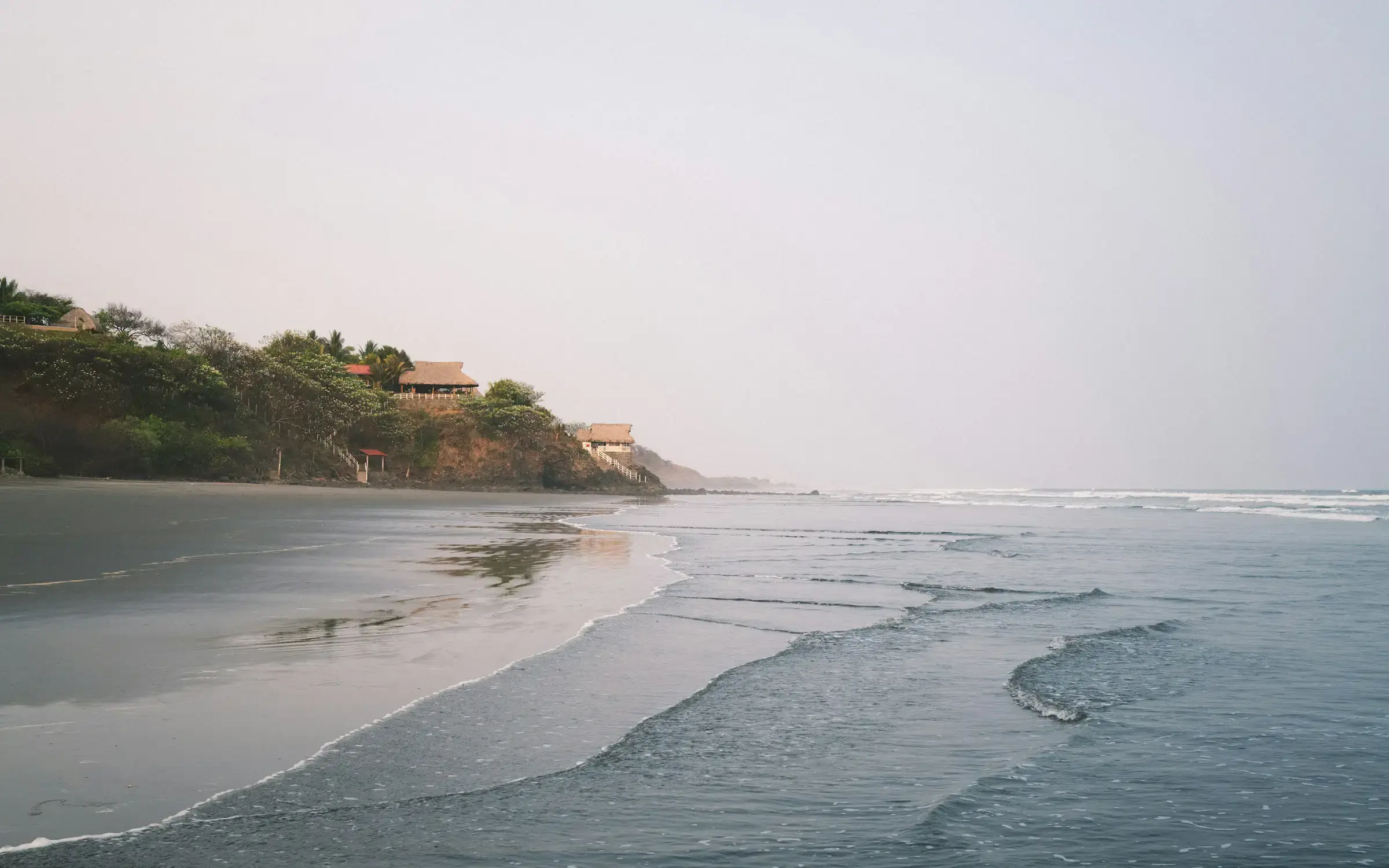
Photo by jack atkinson on Unsplash · El Salvador coast line · Published on May 3, 2024
Quick Season Overview
El Salvador seasons by month are simple: Dry Season runs from November to April, and Rainy or Green Season runs from May to October. Dry months usually bring sunnier skies and more reliable day plans. Rainy months usually bring afternoon showers, greener landscapes, fewer crowds, and lower rates.
Fast planning rule: choose dry season for weather reliability and choose rainy season for value. If your trip goal is to hike volcanoes, chase sunsets, and move between beaches and towns smoothly, dry months are easier. If your goal is to spend less and avoid crowds, green season can be a smart tradeoff.
Dry Season (Nov-Apr): Best Weather for Most Trips
Dry season is the easiest window for most visitors. You get clearer volcano views, better beach reliability, easier road travel, and fewer weather disruptions for outdoor plans. This is why many first-time visitors choose November through April.
Is March a good time to visit El Salvador? Yes, March is one of the strongest months for volcano hiking, beach days, and clear coastal sunsets, but it can run busier and warmer by late afternoon. Is April a good time to go to El Salvador? Also yes, especially for outdoor variety, though Easter travel can raise prices and crowd levels in beach zones.
Holiday reality: Christmas, New Year, and Semana Santa are exciting but expensive. Book early if you plan to travel in those periods.
Rainy (Green) Season (May-Oct): Lush and Budget Friendly
Rainy season usually means a pattern of sunnier mornings and afternoon or evening showers, not constant all-day rain. Landscapes become greener, waterfalls and rural views look richer, and prices often drop compared to peak dry season.
Is May a good time to visit El Salvador? For budget-focused travelers, yes. May often still offers usable mornings for hikes and surf sessions, with lower accommodation rates than high season. Is October a good time to visit El Salvador? It can be, especially in late October when rain can ease and prices remain competitive.
Important caveat: September and early October can be among the wettest weeks in parts of the country. Keep buffers for transport and activity timing.
Month-by-Month Insights
This quick view of El Salvador seasons by month helps align weather, activities, crowds, and budget.
January to February: dry, warm, and reliable for surf, beaches, and volcano routes. Crowds are moderate to high, and prices trend higher than rainy season.
March to April: still dry, often hotter, and very strong for adventure travel. Easter period can push crowds and rates up in major beach and lake areas.
May to July: transition into rain with many usable mornings. Good for travelers who want fewer crowds and better lodging value.
August: mixed weather and active local travel windows around Fiestas Agostinas. Great cultural energy, but check transport timing.
September to October: wetter period overall, with late October often improving. Better for flexible travelers who prioritize green scenery and lower costs.
November to December: transition back into dry reliability. November is often a balanced sweet spot, while December gets busier and more expensive near holidays.
Cheapest Time to Travel
Cheapest time to travel to El Salvador is usually found in rainy and shoulder months, especially May, September, and October. Flight and hotel rates can drop when fewer travelers are booking dry-season style itineraries.
Money-saving tactic: build early-day activity blocks, leave afternoons flexible, and use refundable bookings where possible during peak rain weeks.
Worst Time to Go
Worst time to go to El Salvador depends on your priorities, but for strict outdoor itineraries it is often mid-September through early October because of heavier rain risk, localized flooding, and possible transport delays.
A second version of worst timing is holiday congestion: Christmas, New Year, and Semana Santa can mean higher prices, limited availability, and busier beaches even when weather is good.
Special Events and Cultural Timing
Semana Santa brings major domestic travel and high coastal demand. Fiestas Agostinas (early August) can affect traffic and local lodging flow. Independence Day (September 15) adds parades and cultural events that can be great for culture-focused travelers.
If your trip goal is logistics ease, avoid peak holiday windows. If your goal is local atmosphere, these dates can be memorable with early planning.
Planning Tips by Travel Style
Budget backpacker: target May, September, or October for better rates and fewer crowds; keep route timing flexible.
Beach and surf traveler: dry season offers easier planning, while rainy season can still work well with dawn sessions and flexible afternoons.
Volcano hiker: prioritize November through April for trail reliability and views, especially for summit mornings.
Culture traveler: travel year-round, then use event dates to choose between calmer itineraries or festival energy.
Ready to turn this guide into a real plan?
Explore our tours and build an itinerary matched to your travel style and season.
Final recommendation: choose November to March for the easiest all-round conditions, choose May or late October for better value with manageable weather tradeoffs, and avoid mid-September to early October if your plan depends on strict daily outdoor timing. If you tell us your budget, pace, and must-do activities, we can map your best month in minutes.
Use this guide to plan smarter and travel with confidence.
← Back to Blog